
This manual, a supplement to the driver’s guide, prepares Massachusetts riders for licensing exams, covering rules, procedures, and safe riding practices․
Purpose of the Manual
The primary goal of this Massachusetts Motorcycle Manual is to equip prospective and current riders with the essential knowledge needed to operate a motorcycle safely and legally within the Commonwealth․ It’s designed to prepare individuals for the examination process required to obtain a motorcycle license or learner’s permit․
Furthermore, it details licensing rules, procedures, and crucial rules of the road, alongside sample questions mirroring the actual license test, promoting responsible and informed ridership․
Who Needs This Manual?
This manual is essential for anyone planning to operate a motorcycle on Massachusetts roadways․ Specifically, it’s crucial for those seeking a motorcycle license, a learner’s permit, or simply wanting to refresh their understanding of state-specific motorcycle laws and safe riding techniques․
Both new and experienced riders will benefit from its comprehensive coverage of regulations and best practices․
Obtaining a Massachusetts Motorcycle License
Securing a license involves meeting permit requirements, potentially completing a Motorcycle Rider Course (MRC), and passing the necessary vision and skills tests․
Learner’s Permit Requirements
To obtain a Massachusetts motorcycle learner’s permit, applicants must pass a vision test and a knowledge exam focusing on traffic laws and motorcycle-specific regulations․ This permit allows supervised practice riding; however, certain restrictions apply regarding passenger carriage and roadway usage․ Successful completion is a crucial first step towards full licensure, preparing riders for the skills test․
Motorcycle Rider Course (MRC)
The Massachusetts Motorcycle Rider Course (MRC) is highly recommended, and often waives the on-cycle skills test at the RMV․ These courses provide comprehensive instruction in basic motorcycle operation, safety techniques, and hazard avoidance․ Completion offers significant benefits, enhancing rider confidence and potentially reducing insurance costs, promoting safer roadways for everyone․
License Classes & Endorsements
Massachusetts offers various license classes; a motorcycle endorsement is required to legally operate a motorcycle․ This endorsement is added to your existing driver’s license․ Riders must successfully complete required testing, potentially including a skills test, to obtain this endorsement and demonstrate competency in safe motorcycle operation on public roads․

Essential Motorcycle Equipment
Proper gear is crucial for rider safety; Massachusetts law mandates helmets, and eye protection is strongly recommended alongside appropriate clothing and footwear․
Helmet Requirements & Standards
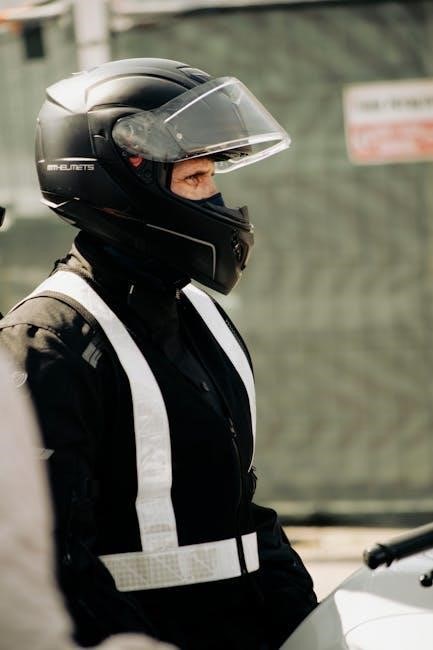
Massachusetts law requires all motorcycle operators and passengers to wear Department of Transportation (DOT) approved helmets․ These helmets must fit properly and be securely fastened․ Riders should inspect their helmets for damage before each ride, replacing them if cracked or compromised․
Choosing a helmet meeting or exceeding DOT standards is vital for head protection during a crash, significantly reducing the risk of severe injury or fatality․
Eye Protection
Protecting your eyes is crucial while operating a motorcycle in Massachusetts․ While a face shield is often integrated into helmets, separate goggles or glasses are also acceptable․ Eye protection shields against wind, dust, debris, and insects, ensuring clear vision․
Non-prescription or prescription eyewear must meet impact resistance standards for optimal safety on the road․
Clothing & Footwear
Appropriate attire significantly enhances motorcycle safety in Massachusetts․ Long sleeves, long pants, and a sturdy jacket offer abrasion resistance in a crash․ Leather or textile materials are highly recommended for protection․
Footwear should fully cover the feet, with durable soles and heels to provide support and protection during operation and potential incidents․

Pre-Ride Inspection
Before each ride, a thorough inspection is crucial for safety; Massachusetts riders should utilize the T-CLOCS checklist to verify motorcycle condition․
T-CLOCS Inspection Checklist
T-CLOCS is a mnemonic aiding pre-ride inspections: Tires (pressure, wear), Controls (levers, cables), Lights & Electrics (functionality), Oil (level), Chassis (frame, suspension), and Stands (secure)․
Regularly performing this checklist ensures all critical components are functioning correctly, significantly enhancing rider safety and preventing potential mechanical failures during operation․
Fluid Levels & Tire Pressure
Maintaining correct fluid levels – oil, coolant, brake fluid – is crucial for optimal motorcycle performance and longevity․ Tire pressure directly impacts handling, braking, and fuel efficiency; check it before every ride using a reliable gauge․
Refer to your motorcycle’s manual for specific fluid capacities and recommended tire pressures for safe operation․

Basic Motorcycle Controls
Mastering throttle, clutch, gear shifting, braking, steering, and balance are fundamental skills for safe motorcycle operation and confident road handling․
Throttle, Clutch, and Gear Shifting
Smooth throttle control dictates speed, while the clutch engages and disengages engine power for shifting․ Mastering gear selection—downshifting for power, upshifting for efficiency—is crucial․ Coordinate these controls for seamless acceleration, deceleration, and maintaining appropriate speed․ Proper technique prevents stalling and ensures responsive handling, vital for navigating Massachusetts roads safely and effectively․
Braking Techniques
Effective braking utilizes both front and rear brakes simultaneously, with the front providing most stopping power․ Avoid locking wheels; practice progressive braking for controlled stops․ Understand anti-lock braking systems (ABS) if equipped․ Quick reactions and proper technique are essential for avoiding collisions in Massachusetts traffic, demanding constant vigilance and skillful brake application․
Steering and Balance
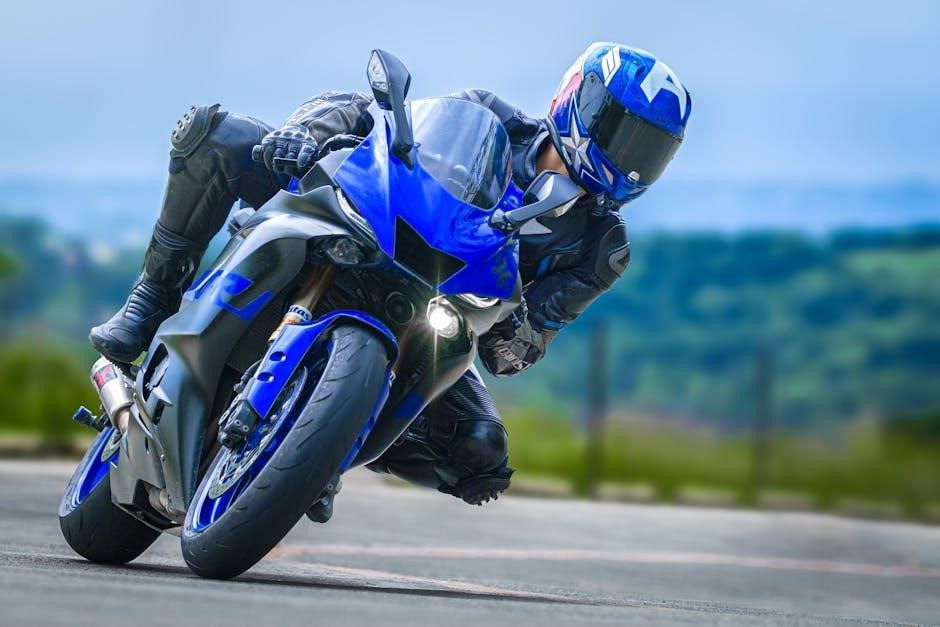
Motorcycle steering relies on countersteering – gently pressing forward on the handlebar in the direction you want to turn․ Maintaining balance requires core strength, proper body positioning, and anticipating road conditions․ Smooth, coordinated movements are crucial for navigating Massachusetts roadways safely, demanding constant adjustments and focused control․
Road Rules and Regulations
Massachusetts traffic laws specifically address motorcycle operation, lane positioning, and right-of-way rules, demanding rider awareness and adherence for safe travel․
Massachusetts Traffic Laws Specific to Motorcycles
Motorcycle operators in Massachusetts must abide by all general traffic laws, alongside regulations tailored to two-wheeled vehicles․ These include specific rules regarding lane splitting (generally prohibited), helmet usage, and proper signaling․ Understanding these laws is crucial for safe operation and avoiding legal issues․ Riders should familiarize themselves with Massachusetts General Laws Chapter 90, sections pertaining to motorcycles, ensuring compliance and responsible riding practices on all roadways throughout the Commonwealth․
Lane Positioning & Sharing
Motorcyclists should occupy the full lane width when possible, maximizing visibility and creating a buffer․ Lane sharing is generally prohibited in Massachusetts, as it increases risk․ Riders must be aware of blind spots of surrounding vehicles and position themselves to be seen․ Defensive positioning, anticipating potential hazards, and maintaining situational awareness are vital for safe lane navigation;
Right-of-Way Rules
Massachusetts traffic laws grant motorcycles the same rights and responsibilities as other vehicles․ Riders must yield appropriately at intersections and when merging․ Always assume other drivers don’t see you, and never assume right-of-way․ Be particularly cautious at left turns, a common collision point; Understanding and applying these rules is crucial for safety․

Safe Riding Strategies
Defensive riding, hazard awareness, and adapting to adverse conditions are vital for Massachusetts motorcyclists to mitigate risks and ensure a safe journey․
Defensive Riding Techniques
Employing defensive strategies is paramount for Massachusetts motorcyclists․ Maintain situational awareness, constantly scanning for potential hazards like vehicles and road debris․ Anticipate other drivers’ actions, assuming they don’t see you․ Utilize effective communication – bright clothing and signals – to increase visibility․
Practice the “two-second rule” to maintain a safe following distance, increasing it in poor conditions․ Be prepared to react quickly and decisively to avoid collisions, prioritizing your safety above all else․
Hazard Awareness & Avoidance
Massachusetts roads present unique challenges; proactive hazard recognition is crucial․ Be vigilant for road debris, potholes, and gravel, adjusting speed and lane position accordingly․ Watch for blind spots of other vehicles, and anticipate potential lane changes․
Develop escape routes, and practice quick stops․ Constant scanning and awareness are your best defenses against unexpected dangers, ensuring a safer ride throughout the state․
Riding in Adverse Conditions
Massachusetts weather can change rapidly; prepare for rain, wind, and temperature fluctuations․ Reduce speed significantly in wet conditions, increasing following distance․ Wind gusts require firm handlebar control and awareness of potential crosswinds․
Cold temperatures impact tire grip and rider alertness – dress warmly․ Avoid riding in severe weather if possible, prioritizing safety above all else․
Common Motorcycle Hazards
Riders face risks from road debris, potholes, inattentive drivers, and blind spots, alongside challenging weather conditions impacting visibility and control․
Road Debris & Potholes
Massachusetts roads present hazards like gravel, sand, and potholes, demanding constant rider vigilance․ Scan ahead for potential obstacles, reducing speed when approaching them․ Avoid sudden maneuvers; a controlled response is crucial․ Potholes can cause loss of control, while debris may lead to skidding․ Regularly inspect tires for damage resulting from impacts, ensuring optimal grip and safety for every ride․
Other Vehicles & Blind Spots
Motorcycles are often less visible to other drivers, creating significant blind spot risks․ Assume drivers don’t see you and position yourself for maximum visibility․ Utilize lane positioning and bright clothing․ Be especially cautious at intersections, anticipating potential turns․ Constant awareness and proactive riding are vital for avoiding collisions with larger vehicles in Massachusetts traffic․
Weather Conditions
Massachusetts weather can change rapidly, impacting motorcycle handling and visibility․ Rain, snow, and wind demand reduced speed and increased following distance․ Be aware of slick road surfaces, especially at the start of precipitation․ Fog significantly reduces visibility; use appropriate lighting and caution․ Adjust riding techniques to compensate for adverse conditions․

Maintenance and Repair
Regular maintenance ensures safe operation․ Tasks include checking fluids, tires, and brakes; however, complex repairs should always be performed by a qualified professional․
Basic Motorcycle Maintenance Tasks
Consistent upkeep is vital for motorcycle safety and longevity․ Riders should routinely inspect tire pressure and tread depth, ensuring proper inflation for optimal handling․ Checking fluid levels – oil, coolant, brake fluid – prevents mechanical failures․ Inspecting and lubricating the chain (if applicable) is crucial, alongside verifying brake pad wear and functionality․ A visual inspection for loose bolts and damaged components completes these essential tasks, promoting a secure riding experience․
When to Seek Professional Help
Despite diligent self-maintenance, certain issues demand a qualified mechanic’s expertise․ Complex engine problems, electrical faults, or brake system failures require professional diagnosis and repair․ If you lack the necessary skills or tools, or encounter issues beyond your comfort level, prioritize a certified technician․ Ignoring warning signs can lead to dangerous situations, so err on the side of caution and seek expert assistance promptly;

Insurance Requirements
Massachusetts law mandates minimum motorcycle insurance coverage for all registered riders, protecting against liability and potential financial burdens from accidents․
Minimum Insurance Coverage
Massachusetts requires motorcycle insurance to include minimum liability coverage of $20,000 for bodily injury to one person, $40,000 for bodily injury to multiple people, and $5,000 for property damage in a single incident;
These are the baseline amounts; riders can—and often should—opt for higher coverage limits to adequately protect themselves financially in case of a serious accident or claim․
Types of Motorcycle Insurance
Massachusetts offers several motorcycle insurance types, including liability (required), comprehensive (damage from non-collision events), collision (damage from accidents), uninsured/underinsured motorist coverage, and medical payments․
Custom parts and accessory coverage is also available, protecting modifications․ Riders should carefully evaluate their needs and choose policies offering sufficient protection․

Resources and Further Information
For detailed information, visit the Massachusetts RMV website or the Motorcycle Safety Foundation (MSF) for courses and safety resources․
Massachusetts Registry of Motor Vehicles (RMV) Website
The official Massachusetts RMV website is the primary source for the most current motorcycle manual and licensing information․ Riders can download the handbook directly from their site, ensuring they have the latest rules and regulations․ It also provides details on permit applications, license renewals, and testing locations throughout the Commonwealth․ Accessing the RMV website guarantees up-to-date details for a safe and legal riding experience in Massachusetts․
Motorcycle Safety Foundation (MSF)
The MSF is a nationally recognized organization offering comprehensive motorcycle rider courses and safety resources․ While not directly affiliated with the Massachusetts RMV, the MSF provides valuable training that complements the manual’s information․ Completing an MSF course can enhance skills, build confidence, and potentially waive portions of the Massachusetts motorcycle licensing exam, promoting safer roads for everyone․
Practice Test Information
Numerous online practice tests are available to help prepare for the Massachusetts motorcycle exam, mirroring the handbook’s content and testing format effectively․
Availability of Practice Tests
A wealth of resources offers Massachusetts motorcycle practice tests, readily accessible online․ These tests, often free, simulate the actual RMV exam, focusing on road rules and safety procedures․ Websites dedicated to DMV practice offer comprehensive question banks, while the Motorcycle Safety Foundation (MSF) may also provide valuable assessment tools․ Utilizing these resources significantly boosts exam preparedness, familiarizing riders with the question style and content․
What to Expect on the Motorcycle Exam
The Massachusetts motorcycle exam thoroughly assesses your understanding of traffic laws, safe riding techniques, and motorcycle-specific regulations․ Expect multiple-choice questions based on the RMV handbook, covering topics like hazard awareness, defensive riding, and proper equipment․ A practical skills test evaluates your ability to safely operate a motorcycle, demonstrating control and adherence to traffic laws on a closed course․