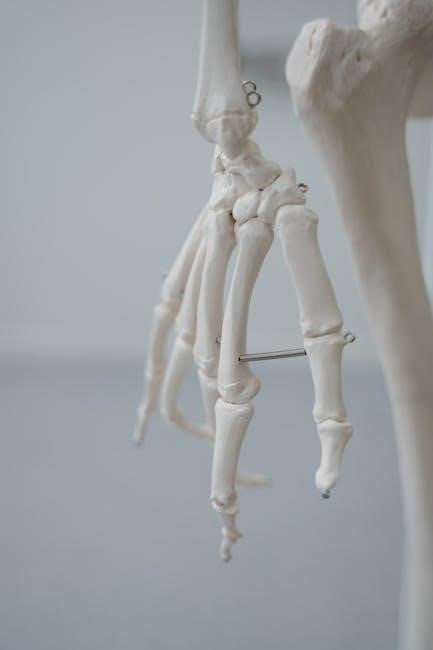
Human Anatomy and Physiology explores the body’s structure and function, utilizing resources like Nowicki’s Biology and Liachovitzky’s preparatory course for foundational understanding.
A. Defining Anatomy
Anatomy, at its core, is the scientific discipline dedicated to the study of the body’s structures. This encompasses everything from the macroscopic level – the organs and systems visible to the naked eye – down to the microscopic realm of cells and molecules. Understanding anatomy requires detailed observation, dissection, and increasingly, advanced imaging techniques.
Resources like Stephen Nowicki’s Biology textbook provide a comprehensive foundation in these structural details. The Human Body Explorer, mentioned as a valuable tool, further enhances anatomical comprehension through detailed, interactive 3D visualizations. Liachovitzky’s Preparatory Course also lays groundwork for grasping anatomical terminology and concepts, essential for success in more advanced studies. Essentially, anatomy answers the question: what is the body, and how is it built?
B. Defining Physiology
Physiology investigates the functions of the body’s structures – how they work, individually and in concert, to maintain life. It delves into the intricate chemical and physical processes occurring within the body, from cellular activities to the operation of entire organ systems. This field explores mechanisms of responsiveness, movement, growth, and reproduction, all vital life processes.
The introductory class, as highlighted, integrates anatomy and physiology, emphasizing the mechanisms of homeostasis. Resources like the Crash Course video series offer accessible explanations of these complex functions. Liachovitzky’s preparatory text aids in familiarizing students with fundamental physiological concepts. Ultimately, physiology seeks to answer: how does the body work, and what does it do?
C. The Interrelationship Between Anatomy and Physiology
Anatomy and physiology are inextricably linked; structure dictates function, and function influences structure. You cannot fully understand one without the other. The Human Body Explorer exemplifies this, illustrating structures with detailed, interactive images alongside functional descriptions. A body’s form – its anatomy – enables it to perform specific tasks – its physiology.
For instance, the skeletal system’s anatomy (bones, joints) provides support and enables movement (physiology). Nowicki’s Biology and Liachovitzky’s preparatory course both emphasize this connection. Understanding this interplay is crucial, as highlighted by the integrated approach of introductory courses focusing on homeostasis and system interactions.
II. Levels of Structural Organization
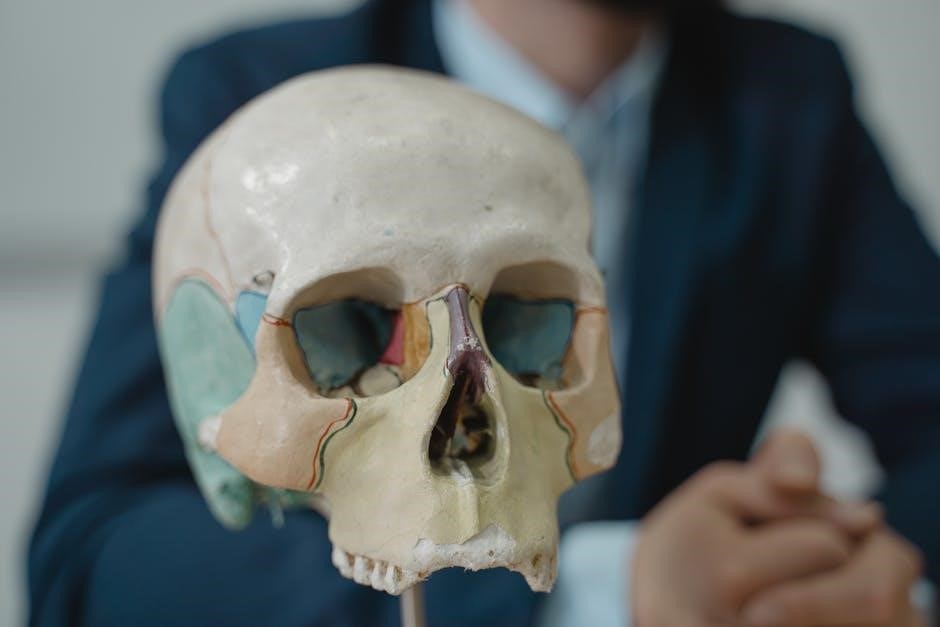
Structural organization progresses from chemicals to cells, tissues, organs, systems, and ultimately, the whole organism, as explored in preparatory courses and textbooks.
A. Chemical Level
The chemical level, the most fundamental level of structural organization, encompasses atoms and molecules essential for life. These building blocks, like oxygen, carbon, hydrogen, and nitrogen, combine to form water, proteins, carbohydrates, and lipids – crucial components of the human body. Understanding these chemical interactions is foundational, as preparatory courses, such as Liachovitzky’s, aim to familiarize students with these basic concepts before delving into more complex anatomy and physiology.
This level dictates the body’s capabilities, influencing everything from cellular function to overall systemic processes. Resources like introductory textbooks emphasize the importance of grasping these chemical principles to successfully navigate subsequent levels of organization and comprehend the intricacies of human biology.
B. Cellular Level
The cellular level builds upon the chemical level, representing the basic structural and functional units of the body. Cells, such as muscle cells, nerve cells, and epithelial cells, are composed of molecules and organelles working in concert to perform specific functions. A preparatory course, like Liachovitzky’s, introduces these cellular components, preparing students for a deeper understanding in Human Anatomy and Physiology I.
These microscopic units are responsible for processes like nutrient uptake, waste elimination, and communication, all vital for maintaining life. Textbooks, including Stephen Nowicki’s Biology, detail cellular structures and their roles, laying the groundwork for comprehending tissue and organ function.
C. Tissue Level
The tissue level represents a collaborative grouping of similar cells performing a specific function. These tissues – epithelial, connective, muscular, and nervous – are fundamental building blocks for organs. Understanding tissue types is crucial, and resources like introductory courses and textbooks, such as Nowicki’s Biology, provide essential foundations.
Liachovitzky’s Preparatory Course aids in familiarizing students with basic concepts encountered in advanced Anatomy and Physiology courses. Each tissue type possesses unique characteristics enabling specialized roles, contributing to the overall organization and function of the human body. This level bridges the gap between cellular components and complex organ systems.
D. Organ Level
The organ level signifies the combination of different tissues working harmoniously to accomplish specific, complex functions. Organs, like the heart or kidneys, aren’t simply collections of tissue; their structure directly correlates with their specialized roles. Resources such as the Human Body Explorer offer detailed, interactive visualizations of organ systems.
Understanding organ anatomy and physiology requires a solid foundation, often built through preparatory courses like Liachovitzky’s, and comprehensive textbooks like Nowicki’s Biology. These resources emphasize how tissue arrangement within an organ dictates its capabilities, contributing to the body’s overall homeostasis and functionality.
E. System Level
The system level represents a cooperative effort of multiple organs working in unison to achieve broader physiological goals. For instance, the cardiovascular system – heart, blood vessels, and blood – collaborates to circulate nutrients and oxygen. Resources like LibreTexts and Crash Course videos illuminate these intricate interdependencies.
A preparatory course, such as Liachovitzky’s, aids in grasping these complex relationships before diving into detailed anatomy and physiology. Nowicki’s Biology provides a foundational understanding of each system’s contribution to overall body function, emphasizing how disruptions in one system can cascade through others, impacting homeostasis.
F. Organismal Level
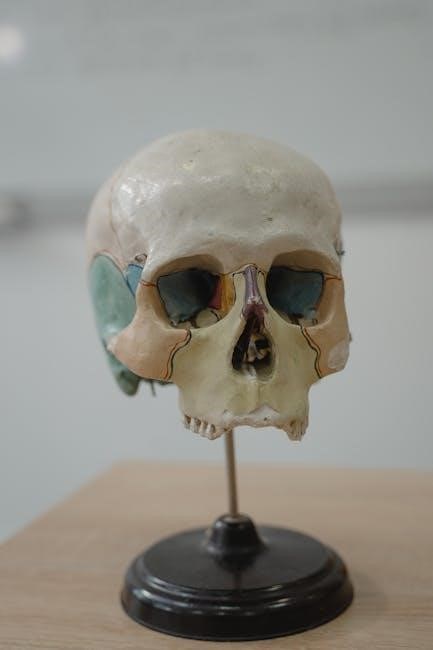
The organismal level embodies the complete functioning individual – a sum greater than its parts. It represents the highest level of structural organization, where all systems integrate to maintain life. Understanding this level requires a holistic view, facilitated by resources like the Human Body Explorer, offering detailed 3D interactive images.
This level showcases how disruptions at any lower level (chemical, cellular, tissue, organ, or system) ultimately manifest as changes within the whole organism. Preparatory courses, utilizing texts like Liachovitzky’s, build a foundation for comprehending these complex interactions, while Nowicki’s Biology provides essential context.
III. Basic Life Processes
Fundamental life processes – metabolism, responsiveness, movement, growth, and reproduction – are integrated within the human body, studied through comprehensive resources and detailed explorations.
A. Metabolism
Metabolism encompasses all the chemical processes occurring within the body, crucial for maintaining life. This includes catabolism, the breakdown of complex molecules, releasing energy, and anabolism, utilizing energy to construct complex molecules.
Understanding metabolic pathways is fundamental in Human Anatomy and Physiology, supported by resources like Stephen Nowicki’s Biology textbook. These processes are intricately linked to the body’s systems, influencing everything from nutrient absorption within the digestive system to energy production within cells.
The study of metabolism requires a solid foundation, often enhanced by preparatory courses like Liachovitzky’s, ensuring students grasp these essential concepts before advanced study. Interactive tools, such as the Human Body Explorer, visually demonstrate these complex interactions.
B. Responsiveness
Responsiveness, or irritability, is the ability of an organism to detect and react to changes in its internal or external environment. This vital life process relies heavily on the nervous and endocrine systems, working in concert to maintain homeostasis.
Resources like the Crash Course video series on anatomy and physiology effectively illustrate how sensory receptors detect stimuli and initiate appropriate responses. A preparatory course, such as Liachovitzky’s, builds a foundational understanding of these complex interactions.
Understanding responsiveness is crucial within the broader context of Human Anatomy and Physiology, as it underpins the body’s ability to adapt and survive. Nowicki’s Biology provides detailed explanations of these mechanisms.
C. Movement
Movement encompasses all locomotion and internal changes within the body. This essential life process is fundamentally reliant on the muscular system, working in coordination with the skeletal system to facilitate external movements. Internal movements, like the contraction of smooth muscle in the digestive system, are equally vital.
Resources like the Human Body Explorer offer detailed, interactive visualizations of muscular and skeletal interactions. Foundational texts, such as Nowicki’s Biology, explain the physiological mechanisms driving these movements;
Liachovitzky’s preparatory course aids comprehension of these concepts, preparing students for advanced study in Human Anatomy and Physiology.
D. Growth
Growth represents an increase in body size, often achieved through adding structural components. This fundamental life process involves both an increase in cell size and an increase in the number of cells. It’s a carefully regulated process, influenced by genetics and environmental factors, crucial for development and repair.
Understanding growth requires a grasp of cellular processes, which preparatory courses like Liachovitzky’s aim to establish. Resources like Biology by Nowicki provide detailed explanations of these cellular mechanisms.
Interactive tools, such as the Human Body Explorer, visually demonstrate growth stages and related anatomical changes.
E. Reproduction
Reproduction is the process of creating new organisms, essential for the continuation of species. This vital life process can occur sexually, involving the fusion of gametes, or asexually, through methods like cell division. Understanding reproductive systems requires detailed anatomical and physiological knowledge.
Resources like Stephen Nowicki’s Biology textbook offer comprehensive coverage of reproductive processes. Liachovitzky’s preparatory course builds a foundational understanding of relevant terminology and concepts.
The Human Body Explorer provides detailed visualizations of reproductive anatomy, aiding comprehension of this complex system.

IV. Homeostasis and the Internal Environment
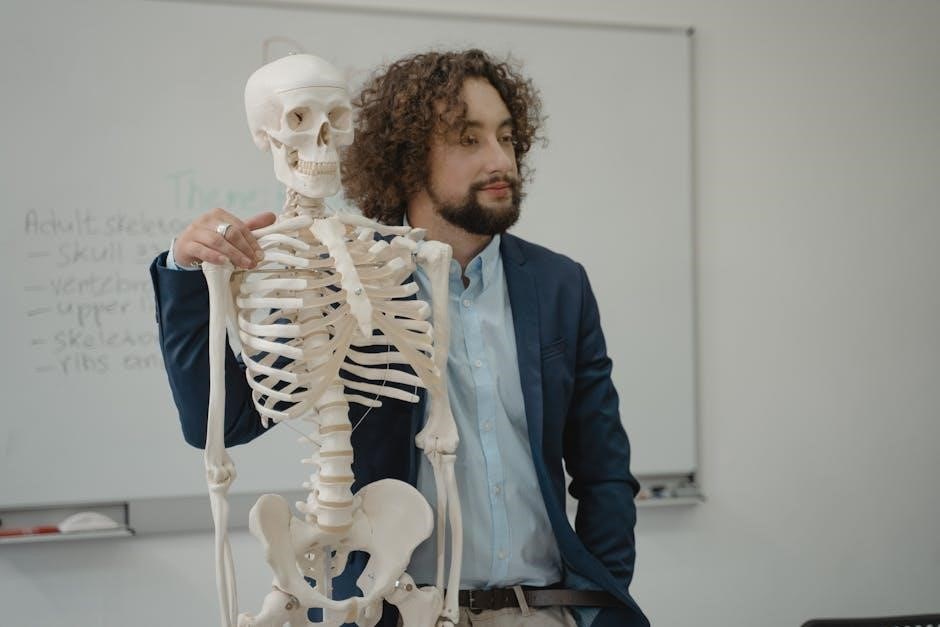
Homeostasis, maintaining a stable internal environment, is crucial for life; introductory classes integrate anatomy, physiology, and homeostatic mechanisms for optimal function.
A. Maintaining Homeostasis
Maintaining homeostasis is paramount for survival, representing the body’s ability to regulate its internal environment despite external fluctuations. This dynamic equilibrium relies on constant adjustments to physiological processes. Resources like introductory anatomy and physiology courses, and preparatory texts by Liachovitzky (2019), emphasize this core principle.
Understanding how the body responds to stimuli and maintains stable conditions – temperature, pH, nutrient levels – is fundamental. This involves coordinated efforts across multiple systems, ensuring optimal cellular function. The integration of anatomy and physiology is key to grasping these complex regulatory mechanisms, as highlighted in various open educational resources and textbooks like Nowicki’s Biology.
B. Feedback Mechanisms (Negative and Positive)
Feedback mechanisms are crucial for maintaining homeostasis, categorized as negative or positive. Negative feedback reverses a change to restore stability – like temperature regulation, where the body cools down when overheated. This is a dominant regulatory process, ensuring conditions remain within a narrow range. Resources such as introductory courses and preparatory materials emphasize this concept.
Conversely, positive feedback amplifies a change, driving a process to completion – such as childbirth. While less common, it’s vital in specific physiological events. Understanding these mechanisms, detailed in texts like Nowicki’s Biology and Liachovitzky’s preparatory course, is essential for comprehending bodily functions and responses.
V. The Human Body Systems – Overview
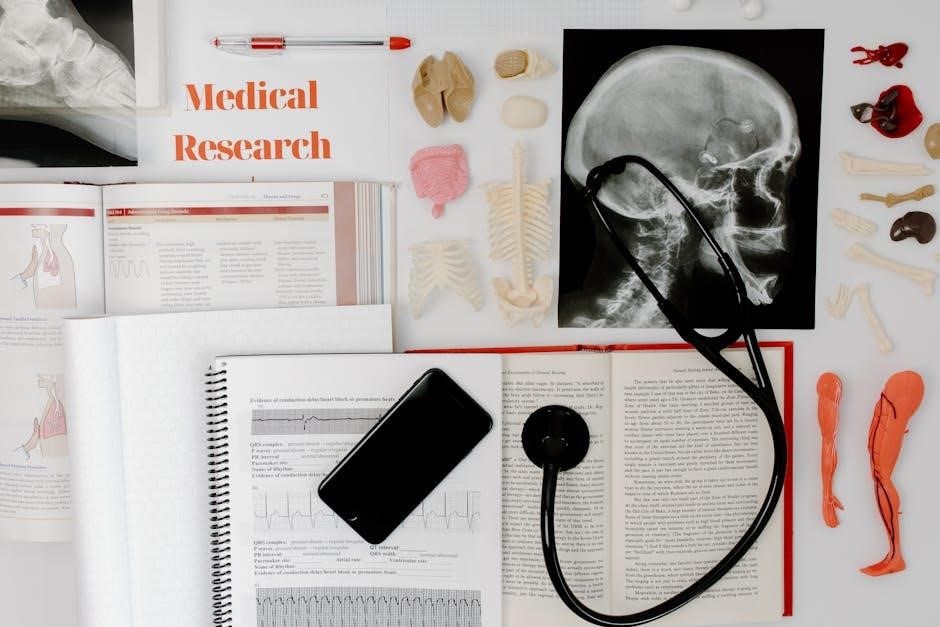
Human body systems, including integumentary, skeletal, and cardiovascular, work interdependently to maintain life, as illustrated by interactive tools like Human Body Explorer.
A. Integumentary System
The integumentary system, encompassing the skin, hair, and nails, forms a vital protective barrier against the external environment. This system regulates body temperature, synthesizes vitamin D, and provides sensory information. It’s the body’s first line of defense, preventing pathogen entry and dehydration.
Understanding its anatomy – epidermis, dermis, and hypodermis – is crucial, alongside physiological processes like wound healing and thermoregulation. Resources like comprehensive coursebooks, such as those by Nowicki, detail these aspects. Interactive tools, like the Human Body Explorer, offer detailed visualizations of skin structures and functions, enhancing comprehension. Studying this system is foundational for grasping overall human physiology and its interconnectedness with other systems.
B. Skeletal System
The skeletal system provides structural support, protects vital organs, enables movement, and stores minerals. Composed of bones, cartilage, ligaments, and joints, it’s a dynamic tissue constantly undergoing remodeling. Understanding bone classifications – long, short, flat, irregular – is fundamental, alongside joint types and their associated movements.
Essential resources, like Stephen Nowicki’s Biology textbook, detail skeletal anatomy and physiology. Interactive tools, such as the Human Body Explorer, offer 3D visualizations of bones and joints, aiding comprehension. Studying this system requires understanding its interplay with the muscular system for coordinated movement, a concept often covered in introductory anatomy and physiology courses and preparatory materials.
C. Muscular System
The muscular system is responsible for all forms of movement, maintaining posture, and generating heat. It comprises skeletal, smooth, and cardiac muscle tissues, each with unique structures and functions. Skeletal muscles, attached to bones via tendons, enable voluntary movements. Understanding muscle fiber types and contraction mechanisms is crucial.
Resources like Nowicki’s Biology and interactive tools like the Human Body Explorer provide detailed insights into muscle anatomy and physiology. Crash Course videos further enhance learning. The system’s interaction with the skeletal system is paramount, and preparatory courses, such as Liachovitzky’s, lay the groundwork for understanding these complex relationships, essential for success in advanced anatomy and physiology studies.
D. Nervous System
The nervous system is the body’s rapid control center, coordinating actions and responses through electrical and chemical signals. It’s divided into the central nervous system (brain and spinal cord) and the peripheral nervous system (nerves). Understanding neurons, synapses, and neurotransmitters is fundamental to grasping its function.
Resources like Stephen Nowicki’s Biology and the Human Body Explorer offer detailed visualizations of neural structures. Crash Course videos provide accessible explanations of complex processes. Liachovitzky’s preparatory course builds a foundational understanding, crucial for navigating the intricacies of this system. This introductory class integrates anatomy and physiology, focusing on homeostasis and cellular mechanisms.
E. Endocrine System
The endocrine system utilizes hormones to regulate long-term processes like growth, reproduction, and metabolism. Glands such as the pituitary, thyroid, and adrenal glands secrete these chemical messengers into the bloodstream. Understanding hormone receptors and feedback loops is essential for comprehending its function.
Resources like Stephen Nowicki’s Biology and interactive tools like the Human Body Explorer illustrate gland locations and hormone actions. Crash Course videos simplify complex endocrine pathways. Liachovitzky’s preparatory course provides a solid foundation, enhancing comprehension for advanced study. This system’s integration with the nervous system is key to maintaining homeostasis.
F. Cardiovascular System
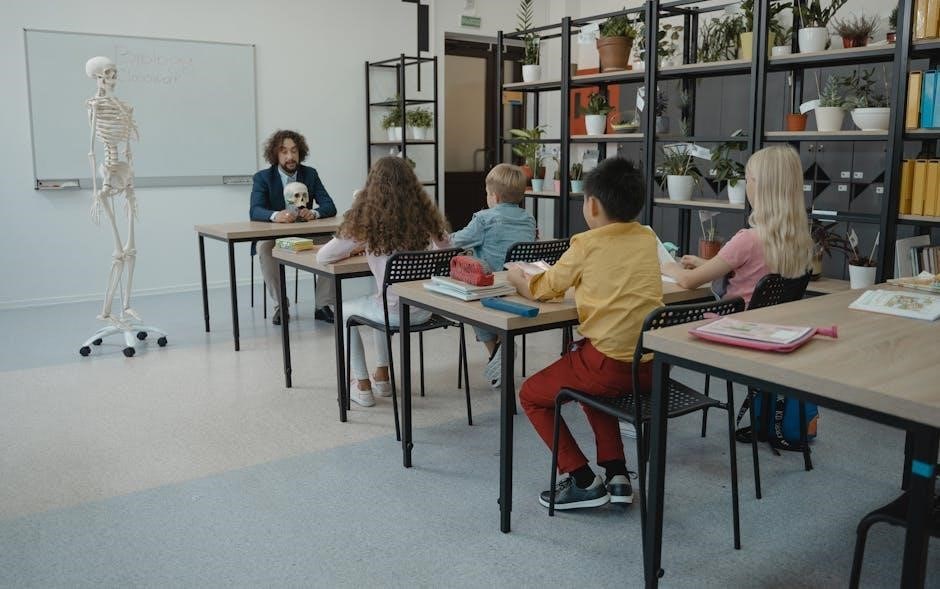
The cardiovascular system, encompassing the heart, blood vessels, and blood, is crucial for transporting oxygen, nutrients, and hormones throughout the body. It also removes waste products. Understanding cardiac muscle physiology, blood vessel structure, and blood composition is fundamental.
Resources like Stephen Nowicki’s Biology detail heart anatomy and circulation pathways. The Human Body Explorer offers interactive 3D visualizations of the heart and vessels. Crash Course videos explain complex concepts like blood pressure and cardiac output. Liachovitzky’s preparatory course builds a base for understanding cardiovascular function, preparing students for advanced anatomy and physiology courses.
G. Lymphatic System
The lymphatic system is a vital network of vessels, tissues, and organs that plays a critical role in immunity and fluid balance. It returns fluids leaked from blood vessels back to circulation and filters them through lymph nodes, housing immune cells.
Nowicki’s Biology provides a foundational understanding of lymphatic structures and their functions. Interactive tools like the Human Body Explorer visually demonstrate lymph node locations and lymphatic vessel pathways. Crash Course videos simplify complex immunological processes within the lymphatic system. Liachovitzky’s preparatory course introduces key lymphatic terminology, preparing students for in-depth study of immunity and fluid homeostasis.
H. Respiratory System
The respiratory system facilitates gas exchange, bringing oxygen into the body and expelling carbon dioxide. Key structures include the nasal cavity, pharynx, larynx, trachea, bronchi, and lungs, where alveoli enable efficient oxygen uptake.
Stephen Nowicki’s Biology textbook details the mechanics of breathing and the anatomical structures involved. The Human Body Explorer offers interactive 3D models of the lungs and airways, enhancing visualization. Crash Course videos provide accessible explanations of respiratory physiology. Liachovitzky’s preparatory course establishes a base understanding of respiratory terminology, preparing students for advanced concepts in gas exchange and homeostasis.
I. Digestive System
The digestive system breaks down food into absorbable nutrients, utilizing organs like the mouth, esophagus, stomach, small and large intestines, liver, and pancreas. This complex process involves mechanical and chemical digestion, enabling nutrient uptake for energy and growth.
Nowicki’s Biology comprehensively covers digestive processes and organ functions. The Human Body Explorer provides detailed, interactive 3D visualizations of the digestive tract. Crash Course videos offer engaging explanations of digestion and absorption. Liachovitzky’s preparatory course introduces fundamental digestive terminology, building a foundation for understanding complex physiological mechanisms and homeostasis within the system.
J. Urinary System
The urinary system, comprised of the kidneys, ureters, bladder, and urethra, filters blood and eliminates waste products via urine production, maintaining fluid and electrolyte balance. This crucial system regulates blood pressure and red blood cell production.
Resources like Nowicki’s Biology detail kidney function and urine formation. The Human Body Explorer offers interactive 3D models of urinary organs, aiding visualization. Crash Course videos simplify complex concepts like glomerular filtration and tubular reabsorption. Liachovitzky’s preparatory course provides essential terminology, preparing students for advanced study of homeostasis and the urinary system’s vital role.
K. Reproductive System
The reproductive system, differing between males and females, is responsible for producing gametes (sperm and eggs) and enabling procreation. Hormonal regulation and anatomical structures are key to its function, impacting development and overall health.
Biology by Nowicki covers reproductive anatomy and physiology comprehensively. The Human Body Explorer provides detailed, interactive visuals of reproductive organs. Crash Course videos explain complex processes like fertilization and embryonic development. Liachovitzky’s preparatory course introduces foundational concepts, preparing students for in-depth study of reproductive hormones and their influence on the body’s systems.
VI. Resources for Studying Anatomy and Physiology
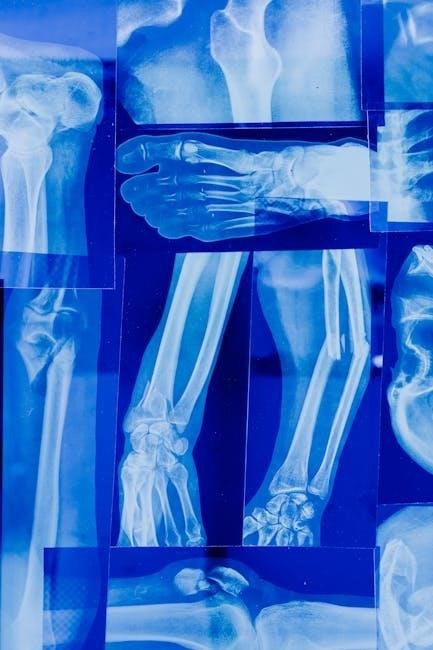
Essential study aids include Nowicki’s Biology, Liachovitzky’s preparatory course, LibreTexts, and interactive tools like the Human Body Explorer and Crash Course videos.
A. Textbooks (Nowicki’s Biology, Liachovitzky’s Preparatory Course)
Core to your studies will be Stephen Nowicki’s Biology textbook, published by Holt McDougal, serving as the primary resource for this course. This comprehensive text provides a solid foundation in biological principles essential for understanding human anatomy and physiology. Complementing this, Liachovitzky’s Human Anatomy and Physiology Preparatory Course (2019) is invaluable.
This preparatory text focuses on familiarizing students with key terminology and fundamental concepts encountered in subsequent, more advanced Anatomy and Physiology I courses. It’s designed to enhance comprehension and build confidence, ensuring a smoother transition into complex topics. Both resources work synergistically, offering a robust learning experience.
B. Online Resources (LibreTexts, Open Educational Resources)
Expanding your learning beyond traditional textbooks, numerous online resources are available. Los Angeles Valley College Library highlights Open Educational Resources (OER) – free, digitally accessible textbooks with Creative Commons licenses, offering royalty-free, academically reviewed content. LibreTexts hosts Liachovitzky’s Human Anatomy and Physiology Preparatory Course, providing a valuable review of basic units.
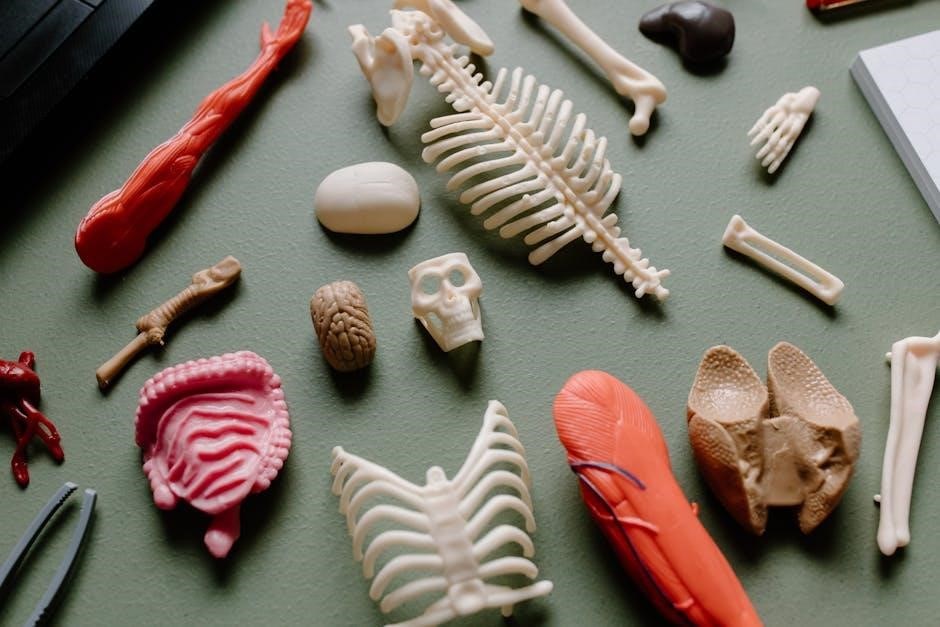
Hillsborough College’s LibGuides also point to free digital college-level textbooks, ideal for supplemental study. These resources integrate anatomy, physiology, and homeostasis, offering a comprehensive overview. Utilizing OER ensures access to affordable, high-quality materials, supporting your success in mastering the essentials of human anatomy and physiology.
C. Interactive Tools (Human Body Explorer, Crash Course Videos)
Enhance your understanding with dynamic learning tools. The Human Body Explorer provides detailed, 3D interactive images of every body system, allowing for in-depth visualization of anatomical structures and their functions. This immersive experience complements textbook learning, solidifying complex concepts.
Furthermore, the Crash Course video series on anatomy and physiology offers engaging and accessible explanations of key topics. These videos, used alongside resources like Nowicki’s Biology, provide a multi-faceted approach to mastering the essentials. Combining visual exploration with concise video lessons fosters a deeper, more comprehensive grasp of human anatomy and physiology.